Up To Date Alpha Gal Information
What is alpha-gal and how do you get it
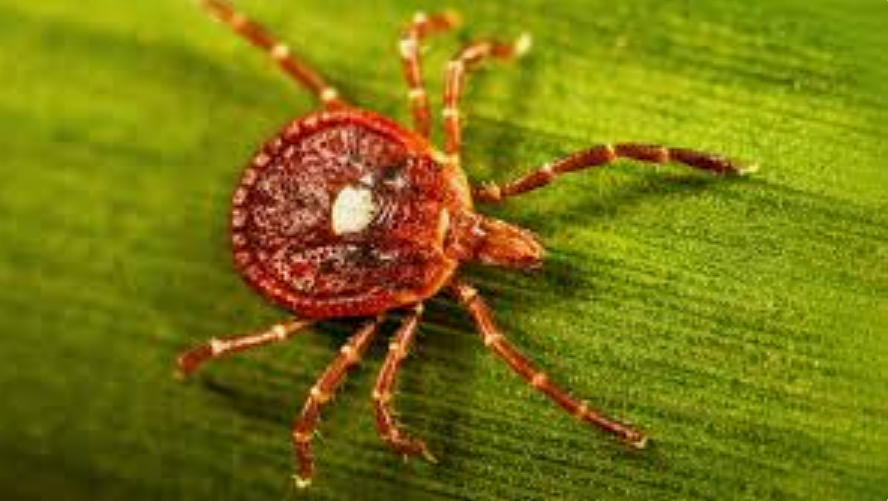
Alpha-gal (galactose-α-1,3-galactose) is a sugar molecule found in most mammals but not in humans or other primates. Lone star ticks and some other ticks carry alpha-gal in their saliva; when they bite, they can inject alpha-gal into your bloodstream. In some people, the immune system responds by making IgE antibodies against alpha-gal, “sensitizing” the body so future exposures trigger allergy.
How it changes your immune response
Once sensitized, your immune system is primed so that:
- When you eat mammal meat (beef, pork, lamb, venison, etc.), dairy, gelatin, or other products containing alpha-gal, IgE antibodies bind to that sugar.
- This binding activates mast cells and basophils, which release histamine and other mediators throughout the body, causing allergy symptoms that can range from mild hives to full anaphylaxis.
- Unlike classic food allergies, symptoms commonly start 2–6 hours after eating, so the immune response is delayed instead of immediate.
This immune reprogramming is the core “change” alpha-gal causes—your body starts recognizing a previously harmless sugar molecule as dangerous.
Effects on different body systems
Because immune chemicals circulate everywhere, alpha-gal reactions can affect multiple systems:
- Skin: Itching, hives, flushing, and swelling of lips, eyelids, face, tongue, or throat are common.
- Gut: Belly pain, heartburn/indigestion, nausea, vomiting, diarrhea, or constipation can occur hours after eating mammal products.
- Lungs: Cough, wheeze, shortness of breath, or chest tightness may appear, especially in more severe reactions.
- Circulation: Dizziness, fainting, low blood pressure, and fast weak pulse signal possible anaphylaxis, which can be life-threatening without epinephrine and emergency care.
- Joints and general: Some people report joint pain and profound fatigue around reactions, likely from systemic inflammation.
These changes are functional (how the systems behave during exposures), not structural damage like scarring or organ failure in most cases.
Longer-term impact on daily life
Over time, alpha-gal changes how you live:
- Diet: Many people must avoid mammalian meat and may also need to limit some dairy, gelatin, and foods cooked in animal fat; others tolerate dairy or well-processed products, so thresholds vary.
- Medications and products: Certain drugs (for example, the cancer drug cetuximab) and some medical products or personal care items containing mammal-derived ingredients can trigger reactions.
- Risk over time: Repeated tick bites can boost sensitivity, while strict avoidance and time without new bites can lead to milder reactions or, in some people, gradual improvement.
- Emergency preparedness: People with a history of severe reactions are usually advised to carry an epinephrine auto-injector and have an emergency plan.
So the body becomes an “alpha-gal detector”: exposure turns on a rapid, whole-body allergy cascade that it did not have before the tick bite.
What food additives, cosmetic ingredients may cause a reaction?
All common food additives that may contain alpha-gal / mammalian derivatives (gelatin, magnesium stearate, stearic acid, carmine/carminic acid, lard, suet, tallow, casein, whey, lactose, rennet, lanolin, etc.)
Hidden mammalian ingredient names on food labels — all synonyms and alternate names (e.g., “natural flavors” from animal sources, “glycerin/glycerol” from animal fat, “mono and diglycerides”, “L-cysteine”, “albumin”, “pepsin”, “lipase”, “oleic acid” from animal sources)
Medications and supplements that commonly contain alpha-gal or mammalian derivatives (gelatin capsules, cetuximab/Erbitux, certain vaccines like MMR, heparin from porcine/bovine (pork or beef) sources, lanolin in vitamin D supplements, magnesium stearate as pill coating, gelatin-based products, certain anticoagulants)
What cosmetic and personal care products may cause a reaction?
Cosmetics & Personal Care: Ingredients by category (lanolin, tallow, gelatin/collagen, carrageenan, stearic acid, glycerin, keratin, elastin, squalene, milk proteins, castoreum), product risk ranking from highest (lip products, toothpaste)
Cosmetics and personal care products with hidden mammalian ingredients (lanolin, tallow, collagen, keratin, elastin, squalene from shark vs plant, carmine, stearic acid, glycerin from animal, milk proteins, etc.)
Which drugs may cause a reaction?
Medications & Supplements: Medications include cetuximab (Erbitux), heparin/LMWH, desiccated thyroid, pancreatic enzymes (Creon), gelatin-containing vaccines (MMR, Zostavax, Varivax, Yellow Fever), propofol, antivenoms, bioprosthetic heart valves, hemostatic agents, catgut sutures, and CHO-cell biologics (80% of recombinant proteins).
What is NAAT?
Neurological Auricular Acupuncture Treatment (NAAT) has been especially developed to use modern neurological and immune system concepts to address conditions such as Alpha Gal Syndrome. If a tick bite flipped a “switch” that made your body allergic to meat… it may be possible to flip the switch back to normal again. You spent your entire life eating meat without trouble… until a tick bite changed something in your body that makes your immune system react to an innocent carbohydrate molecule found in meats like beef, pork, lamb, deer, rabbit and more. Now, Medical Acupuncture treatments are helping people like you reverse that effect… potentially enabling you to enjoy eating meat again.
Call to request your free Initial Consultation…
It may change your life! Call (629) 209-4074
More:
https://www.perplexity.ai/computer/a/1d311f2f-0021-4caf-a72e-fee5968838c9